

Is Summer Heat Killing Your Car Battery? 5 Expert Tips to Beat the Heat
- by Joe Weber - updated on 5/1/2026

Key Takeaways / TL;DR
- Heat is the #1 Enemy: High temps cause internal corrosion and fluid evaporation.
- The 3-Year Rule: Batteries in hot climates typically last 30-50% shorter than those in cooler areas.
- Free Testing: Get a professional "State of Health" test before your big summer trip.
- Be Prepared: Keep a portable lithium jump starter or a full Roadside Emergency Kit in your trunk to avoid being stranded.
- Clean Terminals: Humidity and heat accelerate corrosion; keep those connections shiny.
- Park Smart: Seeking shade can lower under-hood temps by 20+ degrees.
We've all been there. You've got the cooler packed, the sunscreen on, and the kids in the back seat ready for a summer road trip. You turn the key, and... click. Nothing.
Most drivers think winter is the "battery killer" season, but here's the truth: Summer heat is actually much harder on your battery than winter cold. While the cold makes it harder to start your engine, the summer heat causes internal damage that can lead to permanent failure.
The reality is that the summer heat causes damage to the battery, and the winter cold shows you the damage that's been done. Taking care of your battery in both summer and winter is equally important.
Before you get stranded in a parking lot this July, let's look at how to keep your battery cool and your summer plans on track.
Why Does Heat Kill Car Batteries?
How heat affects your battery depends on what's under the hood, but the result is usually the same: a shorter lifespan.
For Standard Flooded Batteries: Think of your battery like a pot of water on a stove. Inside that plastic case is a mixture of water and sulfuric acid (the electrolyte). When the temperature under your hood climbs to 140°F or higher, that liquid begins to evaporate. Once the fluid level drops, the internal lead plates are exposed to air, causing permanent oxidation and corrosion.
For AGM (Absorbed Glass Mat) Batteries: Since AGM batteries are sealed, they don't "boil off" liquid like flooded ones do. However, extreme heat still accelerates the internal chemical reactions, leading to faster grid corrosion and the breakdown of the active material on the plates. While they are much more heat-resistant, they aren't invincible.
In both cases, the heat "cooks" the battery from the inside out. By the time the first cold snap of autumn hits, the battery is already too weak to survive because of the damage done in August.
5 Expert Tips for Summer Battery Maintenance
1. Become a "Shade Hunter"
It sounds simple, but parking in a garage or under a tree makes a massive difference. Direct sunlight acts like an oven for your engine bay. Keeping the ambient temperature lower slows down the chemical degradation inside the battery.
2. Clean Off the "Crusty Stuff"
Have you ever noticed a white, blue, or green, crusty powder on your battery terminals? That's corrosion. Heat and humidity speed up this process, which acts as a barrier to electricity. A simple scrub with a wire brush and a bit of battery cleaner (or baking soda and water) can keep the power flowing.
3. Limit the "Quick Trips"
Your alternator needs time to put back the energy used to start your car. If you're only driving five minutes to the grocery store and back, your battery never gets a full "meal." Try to take a longer 20-minute drive once a week to ensure your battery stays topped off.
4. Listen for the "Slow Crank"
Your car will often try to tell you it's struggling. If the engine sounds like it's "groaning" or turning over slower than usual when you start it up, that is your final warning. Don't ignore it—get it tested immediately.
5. Consider an Upgrade to AGM
If you live in a "Sun Belt" state (like Florida, Texas, or Arizona), a standard "flooded" battery might not be enough. AGM (Absorbed Glass Mat) batteries are sealed and much more resistant to heat and vibration, and may be the best battery for your car. They cost a bit more upfront, but often pay for themselves by lasting twice as long in extreme heat.
The Ultimate Backup Plan: Portable Jump Starters & Emergency Kits
Maintenance is great, but sometimes a roadside inconvenience is unavoidable. Be prepared by keeping a few of these very important tools in your car.
Portable Jump Starters
Gone are the days of carrying heavy, tangled jumper cables and hoping a kind stranger will pull over to help. Portable lithium jump starters are small enough to fit in your glovebox but powerful enough to start a V8 engine multiple times on a single charge.
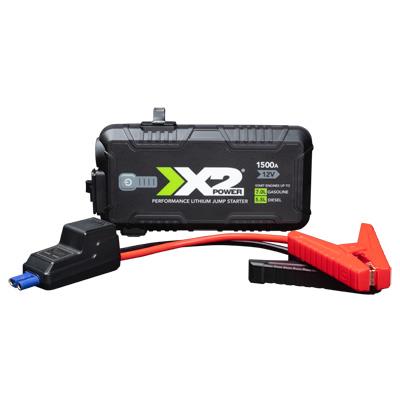
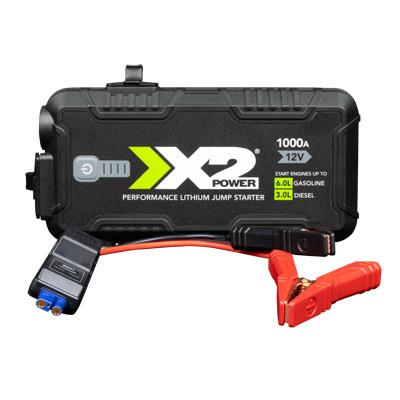
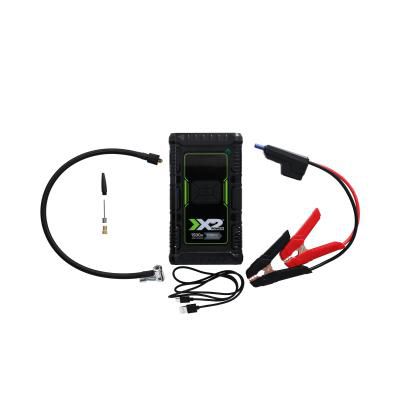
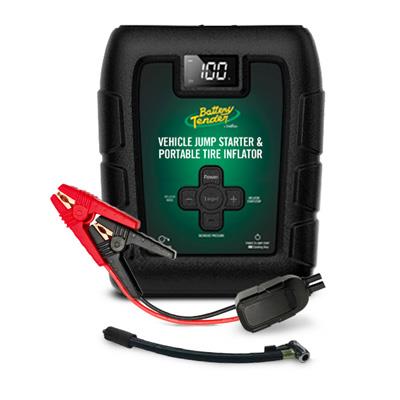
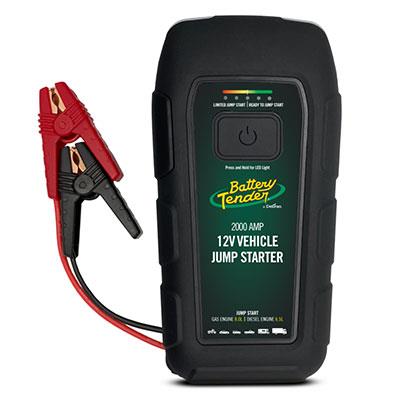
The "Total Peace of Method" Solution
If you're heading out on a long summer road trip, why stop at just the battery? A Batteries Plus Roadside Emergency Kit is the ultimate travel companion. Beyond just getting your car started, these kits usually include essentials like:
- Heavy-duty jumper cables
- A flashlight (crucial for night-time breakdowns)
- First aid supplies
- Basic tools to get you back on the road
Pro-Tip for Summer Storage: Heat can degrade the materials in your emergency kit and the charge in your jump starter. Store these items in your trunk rather than the dashboard, and do a "gear check" every few months to make sure everything is in tip-top shape.
Don't Let the Heat Stop Your Summer Fun
Staying ahead of the heat is the best way to ensure your summer memories involve the beach or the mountains—not the side of the highway. A little bit of prevention goes a long way, but having the right tools for an emergency is just as important.
Visit Your Local Store Today
- Free Battery Testing: Stop by any local Batteries Plus for a free, 60-second "State of Health" test. We'll tell you exactly how much life your battery has left so you can travel with confidence.
- Expert Advice: Not sure which battery or jump starter is right for your vehicle? Our experts are here to help you find the perfect match for your needs and budget.
- Gear Up: From portable power banks to roadside emergency kits, we have everything you need to stay powered up and safe all summer long.
Find Your Nearest Batteries Plus Store and get your free battery check-up before the heat catches you off guard!
F.A.Q. – Common Summer Battery Questions
Q: Does using the Air Conditioning (AC) drain the battery?
A: Not while the engine is running! Your alternator handles the AC load. However, if you sit in a parking lot with the engine off and the AC/radio on, you can drain a battery in minutes—especially if the heat has already weakened it.
Q: How long does a car battery last in a hot climate?
A: In the northern US, a battery might last 5 years. In the South or Southwest, the average lifespan drops to 2.5 to 3 years. If your battery is over three years old, it's living on borrowed time.
Q: Can I add water to my battery if it's low?
A: Only if your battery has removable vent caps. If it does, use distilled water only. Most modern batteries are "Maintenance Free" and sealed, meaning you cannot add water. If a sealed battery is low on fluid, it's time for a replacement.
Q: Why did my battery die right after a heatwave?
A: Heat causes the internal plates to warp and the lead paste to shed. The battery might "limp along" while it's hot because the chemistry is active, but the moment the temperature drops even slightly, the damaged internal structure can no longer produce enough current to turn the engine.
Q: Where can I get my battery tested?
A: Batteries Plus offers free battery testing. It only takes a few minutes and can save you from a very expensive tow truck bill later.