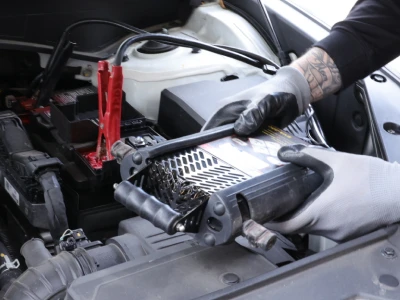
Wheelchair & Mobility Battery Types
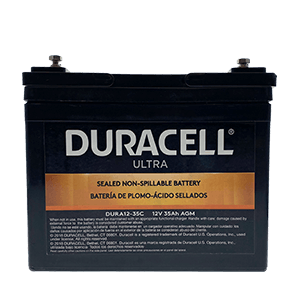
General Purpose
Manufactured with leading edge, AGM technology General Purpose electric wheelchair batteries provide reliable performance for backup and cycling applications.
- 12 Month Warranty
- Free Replacement Warranty
- Conventional Technology
- Rugged Design & Vibration Resistant
- Extended Power & Battery Life
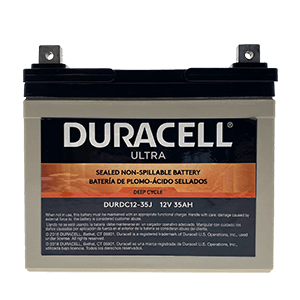
Deep Cycle
Manufactured with leading edge AGM technology to provide reliable performance. Deep Cycle lead acid type wheelchair batteries are ideal for wheelchair & mobility
applications.
- 30 Month Warranty
- Free Replacement Warranty
- AGM Technology
- 20x More Vibration Resistant
than Conventional Batteries - Holds Charge in
Storage
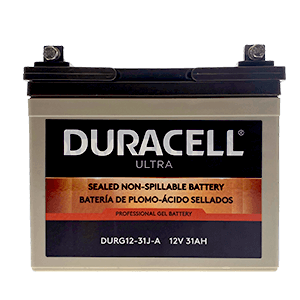
Gel
Manufactured with leading edge Gel technology, this motorized wheelchair battery provides optimized cycle life best suited for consistent deep cycling applications such as heavy duty wheelchairs.
- 48 Month Warranty
- Free Replacement Warranty
- AGM Technology
- 28x More Vibration Resistant
than Conventional Batteries - Performs as Both a Starting and a Deep
Cycle Battery
Tips to Remember

99% of all wheelchairs & mobility scooters use two (2) 12 volt, deep cycle, sealed lead acid batteries.

Amp Hours (AH) is the amount of energy a battery holds. The more amp hours, the further you can go, but check the size of your battery, it could limit your amp hours.

AGM batteries function better in colder environments than Gel batteries, but Gel batteries last up to twice as long.

Gel batteries should be recharged at a slightly lower voltage.
Why Buy from Batteries Plus
More Than Just Batteries: We're Your Mobility Partners At Batteries Plus, we understand that your mobility device is your lifeline to independence. We don't just sell boxes; we provide peace of mind.
- Expert Installation: Don't struggle with heavy batteries or complicated wiring. Our experts can install your new batteries for you at participating locations (fees may apply).
- Experts in Charge: Not sure which battery is right for your specific model? Our trusted advisors can verify the exact voltage, amp-hour, and size requirements to ensure you get the best performance and warranty available.
- Caregiver Support: If you are buying for a loved one and don't know the technical details, just call or visit us! We can help identify the chair model and find the perfect match.
- We Come to You (via Shipping): Can't make it to the store? We ship directly to your home. You can place your order online to have your batteries shipped to you.
- Don't Forget the Charger: A new battery can't do its job if your charger is failing. We can test your charger and help you find a replacement charger to ensure you aren't left stranded.
- Easy Recycling: Unsure what to do with your old lead-acid batteries? Bring them to us. We make recycling easy, convenient, and environmentally safe.
Traveling with Your Wheelchair: What You Need to Know
Planning a trip? Most airlines allow you to travel with your mobility device (and most of the time, checking them at the gate is free), but the rules for checking a mobility scooter or power wheelchair depend heavily on the battery type installed.
- SLA (AGM/Gel) Batteries: These are "non-spillable" and are generally widely accepted in checked luggage. The battery usually remains attached to the wheelchair, provided it is securely fastened, the terminals are protected from short circuits, and the battery is disconnected (or the chair is powered off according to airline instructions).
- Lithium Batteries: These have stricter regulations. If your mobility aid uses a lithium-ion battery, you may need to remove the battery and carry it with you in the cabin (carry-on). There are also specific limits on the size (Watt-Hours) of spare batteries you can bring.
Always call your airline at least 48 hours in advance to alert them you are traveling with a battery-powered mobility device. Print the specification sheet for your battery to show airport security agents that your battery is compliant if they ask.
Pro Tip: Most airlines provide an option when booking to notify them that you will be checking a scooter or wheelchair.
Frequently Asked Questions
In many cases, yes. If Medicare Part B originally covered your manual or power wheelchair/scooter, it will typically cover 80% of the cost of replacement batteries, provided they are medically necessary. You will generally need a doctor's prescription and documentation stating that the current batteries have failed.
Note: You must purchase from a Medicare-enrolled supplier for coverage to apply.
The lifespan depends on the battery type and how heavily it is used.
- SLA/AGM Batteries: Generally last 1 to 2 years with average use.
- Gel Batteries: Can last longer, often 1.5 to 2.5 years, due to better deep-cycle capabilities.
- Lithium Batteries: typically have the longest lifespan, often exceeding 3 years.
Tip: Daily users who travel long distances may need to replace batteries annually, while occasional users may get up to 3 years.
If your battery drains quickly or won't charge, it is usually due to one of three reasons:
- Age: The battery has reached the end of its cycle life and needs replacement.
- Charging Habits: Storing the battery in a discharged state (empty) causes sulfation, which kills the battery permanently.
- Charger Issues: Your charger may be providing the wrong voltage or may have a loose connection. Bring both your battery and charger to Batteries Plus for testing services.
You should always charge your scooter immediately after use—never leave it depleted. For modern "smart" chargers, it is generally safe to leave them plugged in overnight or for a few days, as they will switch to a "maintenance" mode once full. However, for long-term storage (weeks or months), it is better to fully charge the batteries and then disconnect them to prevent parasitic drains.
No. You must match the voltage (usually 24V, created by two 12V batteries) and the physical group size (e.g., U1, 22NF, MK-17) of your original batteries. You should also stick to the recommended chemistry (AGM vs. Gel) because your charger is specifically tuned to that battery type. Using the wrong battery type with an incompatible charger can damage the battery or reduce its lifespan.
It's important to note again that the type of battery you can use is dependent on how the wheelchair or scooter was designed.
- For Value: AGM (Absorbent Glass Mat) batteries are excellent for general-purpose, daily use and are more affordable.
- For Longevity: Gel batteries cost more upfront but handle "deep cycling" (draining the battery very low) better than AGM, making them ideal for heavy users who are in their chairs all day.
- For Travel/Weight: Lithium Iron Phosphate (LiFePO4) batteries are significantly lighter and charge faster, making them great for travel, though they require a specific lithium-compatible charger.
From the Blog