
Car and Truck Charger
When choosing the best battery charger for your car or truck, there are a number of things to consider. First, think about how you plan to use it. If you're looking for an emergency solution to carry with you while traveling, a portable jump starter may be your best fit. For vehicles that will be in storage for extended periods of time, a trickle charger or battery maintainer is a much better match.
Shop by Type


Make a Selection to Find the Perfect Fit
Showing 12 of 21
Showing 12 of 21
Please select the relevant vehicle below.
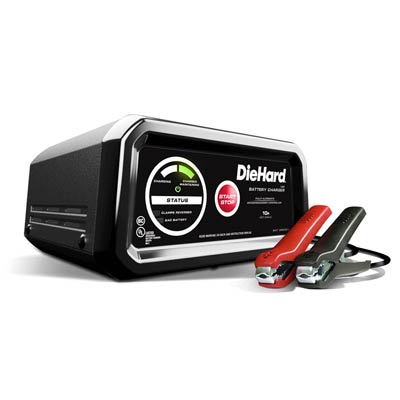
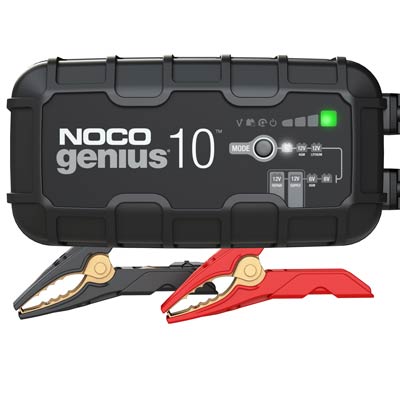
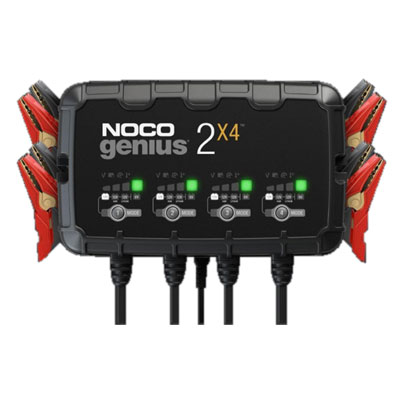
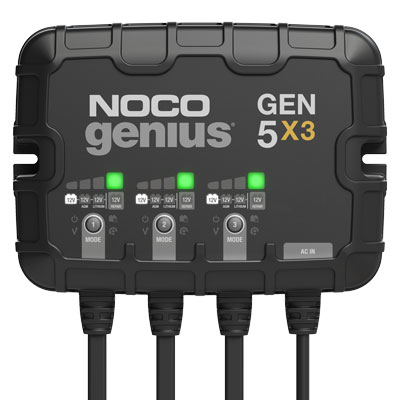
Battery Chargers, Maintainers, and Tenders
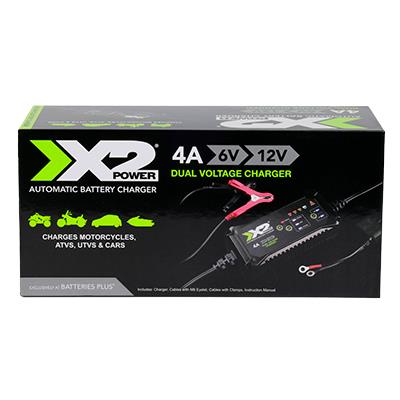
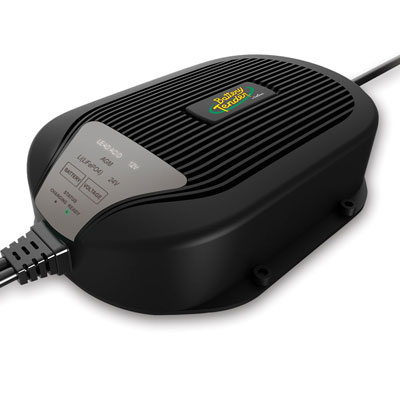
Maintaining a proper charge is key to your battery's health. If you have a vehicle that you store over the winter or just an old car that you don't drive very often, a charger will help you keep it charged up and ready to go. Here are a few of the different battery chargers available.
Heavy Duty Chargers
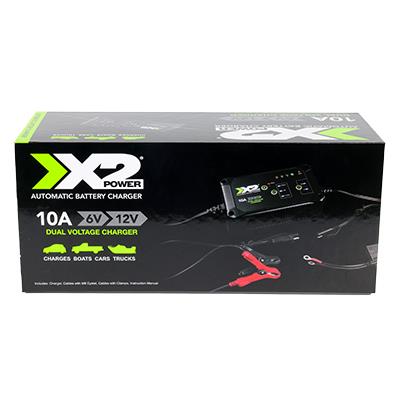
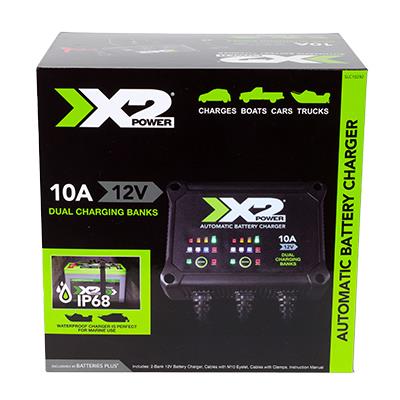
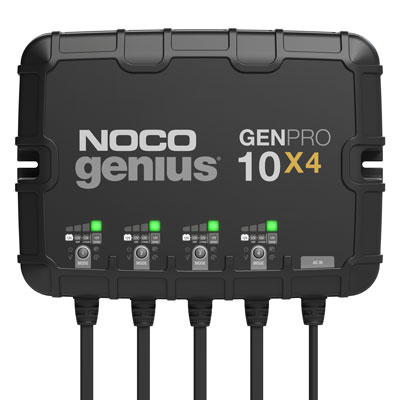
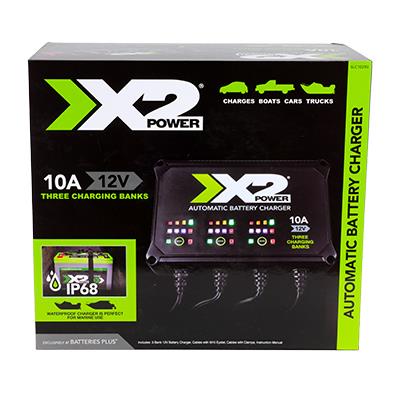
If your vehicle can accept higher rates of charge consider picking up a "heavy duty" charger. These chargers produce 10 amps or more allowing you to charge your vehicle quicker and feature a host of other options such as multiple charging voltages and amp rates. Pick up a heavy duty charger for your 4-door sedan, SUV, or pick-up truck today. Or power up when it's time to take out seasonal marine and powersports vehicles, like PWC, ATVs, and UTVs.
These heavy duty chargers can work on batteries used in commercial vehicles and industrial equipment like forklifts, pallet jacks, and more.
Battery Maintainers
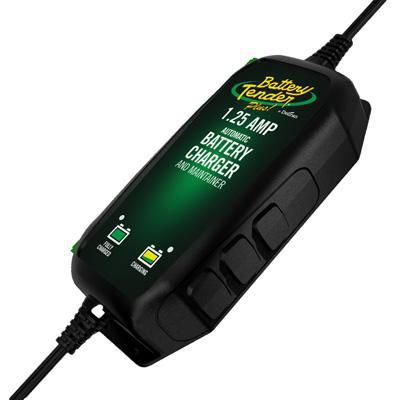
Battery maintainers are automatic chargers that actively monitor your battery once they've been connected. A maintainer will cut off power when your battery reaches a full charge and begin recharging again once it drops below an ideal voltage. This eliminates the dangers of both under and overcharging your battery, making it perfect for users looking for a simple set-it-and-forget-it option that doesn’t require additional monitoring. Some maintainers are also referred to as battery tenders, though they provide the same function.
Portable Car Battery Chargers
A portable car battery, also known as a jump pack or jump starter, contains a sealed battery attached to a set of heavy-duty jumper cables. They're easy to transport and provide enough amperage to jump start a dead battery. Many portable chargers feature:
- Spark-proof technology
- Reverse polarity protection
- Ergonomic clamps that work with both top- & side-mounted battery terminals
- Built-in air compressors & air gauges to inflate tires
- Built-in USB ports to recharge USB devices
How EV Chargers Work
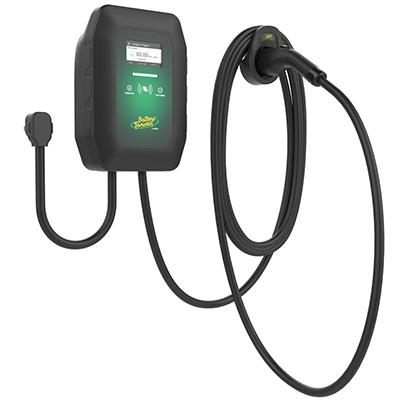
EV chargers pull electricity from your home or building's electrical system and safely deliver it to your vehicle’s battery. They work much like a smartphone charger — just on a larger scale. Plug in, charge up, and go.
The Benefits of Home EV Charging
- Convenience: Skip the public stations and charge overnight at home.
- Savings: Charging at home can cost significantly less than gas or public charging fees.
- Speed: Higher-level chargers can power up your vehicle in just a few hours.
- Safety: Our EV chargers are built with advanced protection features for worry-free use.
Understanding EV Charging Levels
There are three main types of EV chargers:
- Level 1 Chargers: Use a standard 120V household outlet. Great for overnight charging but slower (about 3–5 miles of range per hour).
- Level 2 Chargers: Require a 240V outlet — the same kind used for clothes dryers. These provide 10–60 miles of range per hour and are ideal for home installation.
- Level 3 / DC Fast Chargers: Found at commercial stations. They deliver rapid charging but aren’t typically used in residential setups.
If you drive a Tesla, you can also use the Battery Tender Tesla Charger Adapter for J1772 Stations to connect to standard J1772 EV chargers.
Charger FAQ
EV chargers convert electrical energy from your home or the grid into power that your vehicle's battery can store. The charger controls the flow of electricity for safe, efficient charging.
Some portable Level 1 and Level 2 chargers simply plug into an existing outlet. However, hardwired installations (especially 240V units) should be completed by a licensed electrician to meet safety codes.
First, determine your electrical panel's capacity and the type of outlet you have. Then, choose the right charger level for your needs. If you're unsure, an electrician can assess your setup and install a dedicated circuit if needed.
Level 1 and Level 2 are most common for home use, while Level 3 DC fast chargers are designed for commercial or roadside stations.
Home chargers typically range from $300–$800, depending on the amperage and features. Installation costs vary based on wiring and panel requirements.