

Follow Batteries Plus


How to Jump-Start Your Car Using a Portable Jump Starter
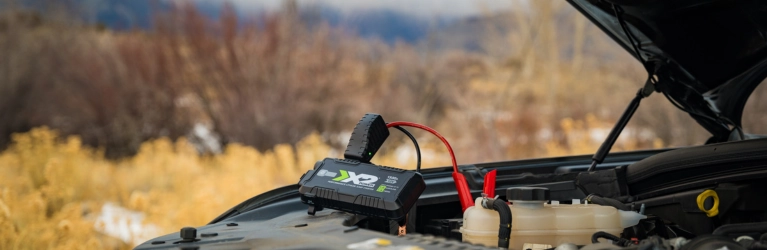
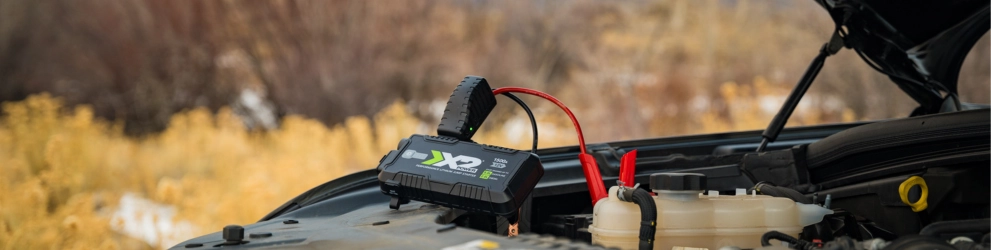
Keeping a portable jump starter (or jump pack) in your trunk or glovebox provides a safer, easier alternative to traditional jumper cables when you have a dead battery, because it doesn't require a second vehicle or the need to hunt down a stranger for help.
Preparation
Before you head out, keep these power requirements in mind:
- Check the Charge: Ensure your jump pack is fully charged before storing it in your vehicle.
- Monitor Levels: Use the built-in LED indicator to quickly check the remaining battery life.
- Capacity: Depending on your specific model, a full charge can provide between 20 and 50 jumps.
Tools You'll Need
- Fully charged lithium jump-starter
- Safety gloves
- Protective eyewear
Step-by-Step Instructions
Using a portable jump starter is straightforward, but it requires careful attention to the order of operations to ensure your safety and the health of your vehicle's electronics. Before you begin, ensure your vehicle is in "Park" (or neutral for manual transmissions) with the emergency brake engaged, and the ignition turned completely off.
Follow these steps to safely transfer power from your portable pack to your dead battery:

Prepare the Jump Starter
Retrieve your jump starter and connect the jumper cables to the designated port on the device (if they are not already permanently attached).

Connect the Positive Clamp
Attach the Positive (Red) battery clamp to the positive post of the dead vehicle battery. The positive post is usually marked with a plus sign (+) or a red cover.

Connect the Negative Clamp
Attach the Negative (Black) battery clamp to an unpainted metal surface on the car's frame or engine block.
Pro Tip
Do not attach it to the negative post of the dead battery to avoid potential sparking.

Power On
Press the power button on the jump starter. This initiates the flow of electricity from the pack to your vehicle's battery.

Start the Engine
Get into the driver's seat and attempt to turn over the engine.
Pro Tip
If it doesn't start immediately, wait a few minutes. This allows current to flow into the battery before you try again.

Disconnect the Clamps
Once the engine is running smoothly, disconnect the clamps in the reverse order they were attached:
- Remove the Negative (Black) clamp first.
- Remove the Positive (Red) clamp second.
Post-Jump Maintenance
Getting your car started is only the first half of the job. To ensure you don't get stranded again and to keep your equipment in top shape, follow these post-jump care steps:
- Recharge Your Pack: After using the device, it is best practice to recharge it as soon as possible so it is ready for the next emergency.
- Drive the Vehicle: Drive your car for at least 20–30 minutes to allow the alternator to recharge your vehicle's battery further.
Why Use a Jump Pack Over Jumper Cables?
While traditional jumper cables have been the standard for decades, modern technology has made the portable jump starter a superior choice for most drivers. Here are a few reasons why you should consider keeping one in your trunk:
- Independence: You don't need to flag down a stranger for help.
- Safety: Most modern jump packs have built-in protection against reverse polarity (connecting them backwards) and short circuits.
- Versatility: Many packs include built-in LED flashlights and USB ports to charge your phone or tablet.
Never Get Stranded Again
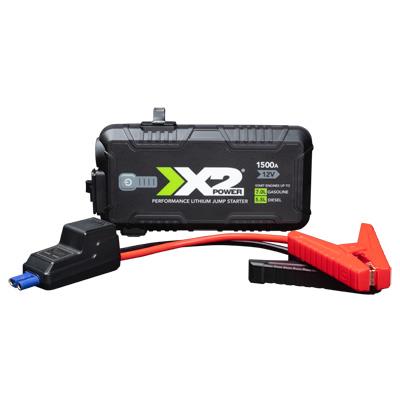
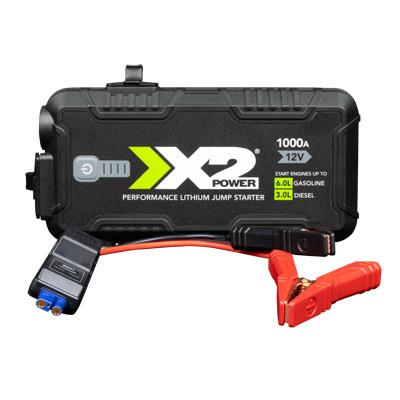
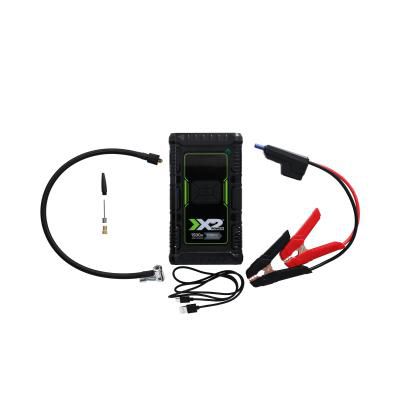
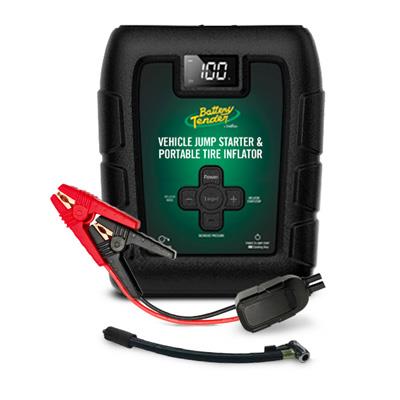
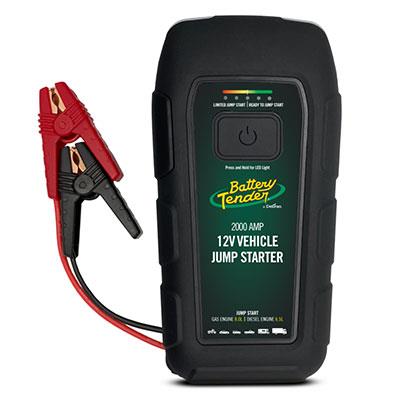
A dead battery shouldn't stall your plans. Our curated selection of high-performance lithium jump starters provides the compact, reliable power you need to get back on the road in seconds—no second vehicle required.
Expert FAQs on Portable Jump Starters
A jump starter can be used multiple times before needing a recharge - up to 25 depending on usage and battery condition! I would charge it up after every use, especially the combined box so it's ready to go, especially for inflating tires. It's also worth checking every month, even if it's not been used.
I have used it on my own trucks - Jeep Grand Wagoneer and RAM 3500, and also friends and neighbors cars - Ford Expedition and a Honda Accord.
If you know why the battery ran down and it just needed a jump one time, then the battery is probably fine. But if you need to jump multiple times or you don't know why the battery is draining, then it's best to get it tested at your local Batteries Plus and replaced if needed. The jump starter means you won't get stranded, but it's still better to have a reliable battery in the car!